Liquidity, cash access, and payment infrastructure—without the hype
Field-facing explainers for people who work with cash, mobile money, and licensed rails every day.
CaQeh is a peer-to-peer liquidity marketplace technology platform. It does not take custody of customer funds.
Coverage maps celebrate digital payments, yet people still need notes for change, school fees, and trades where the other party cannot receive a transfer. The real problem is conversion—and who helps when it stalls.
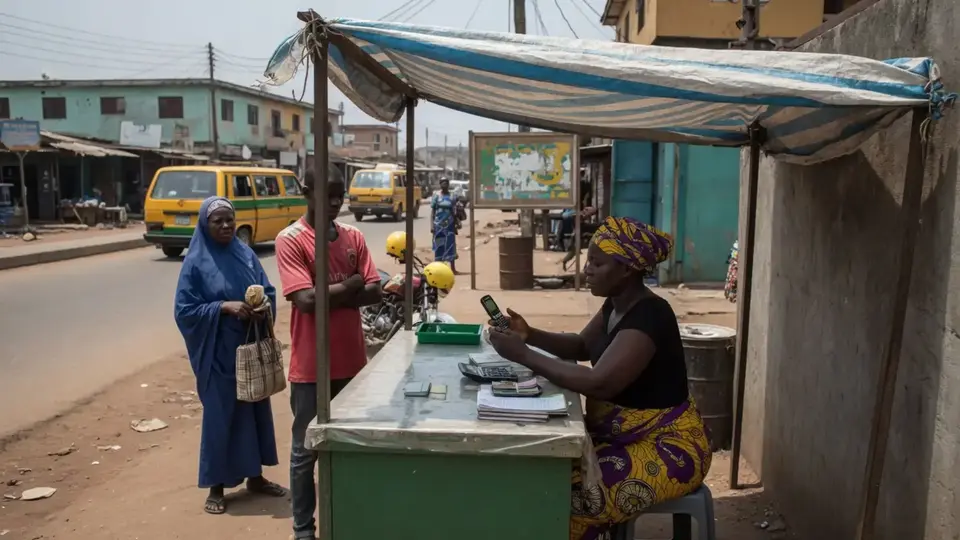
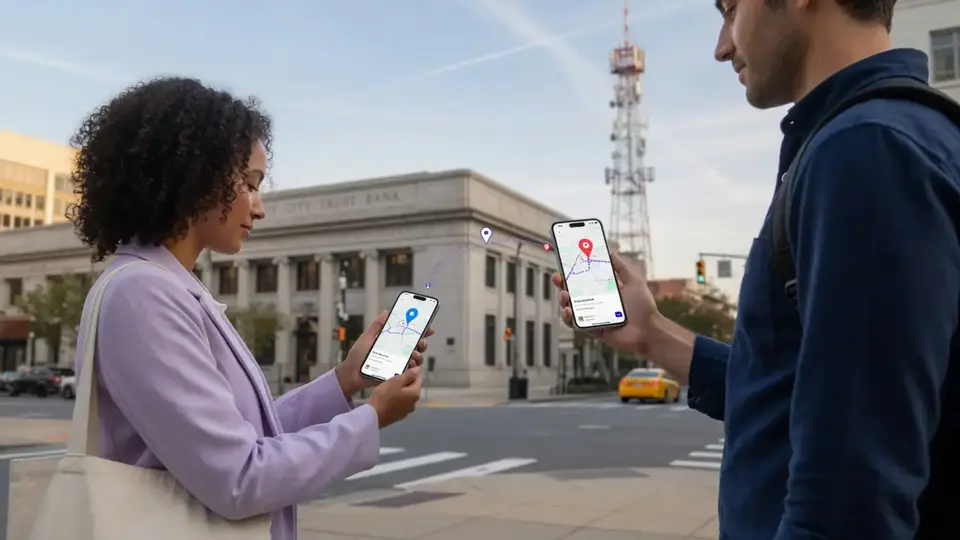
A green coverage map can hide half-day agent downtime, exhausted float, and menus that fail on older phones. Accessibility is operational, not just geographic.
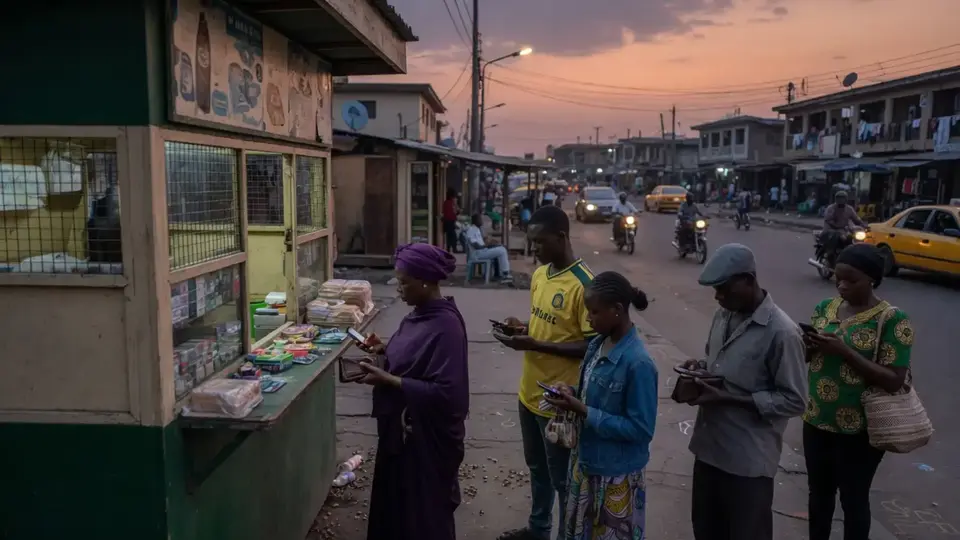
Cash shortages are rarely city-wide forever; they are neighbourhood-scale and hour-specific. Matching systems succeed when they treat liquidity like a local operations problem.
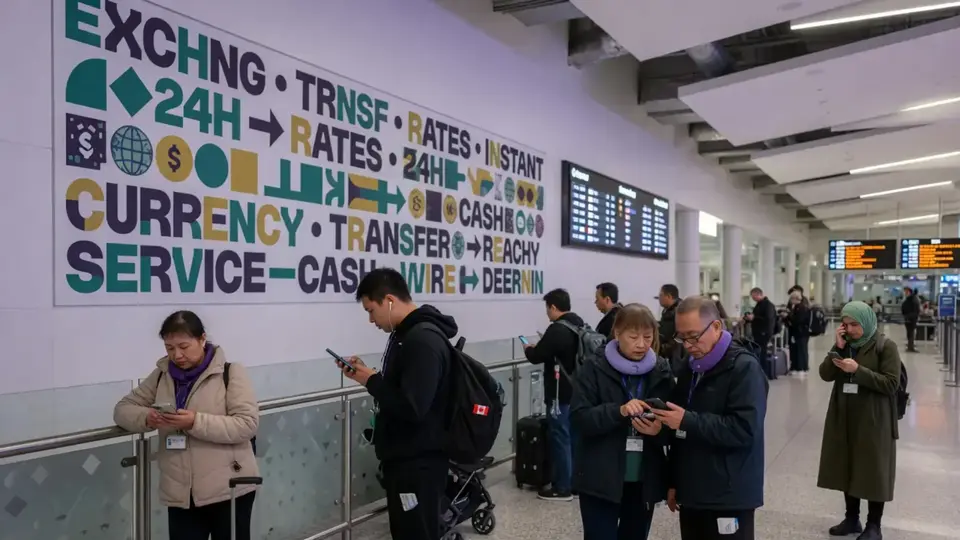
A clean corridor map can hide opaque FX, staggered compliance checks, and the social work of getting both ends of a payment to show ‘success’ at the same time.
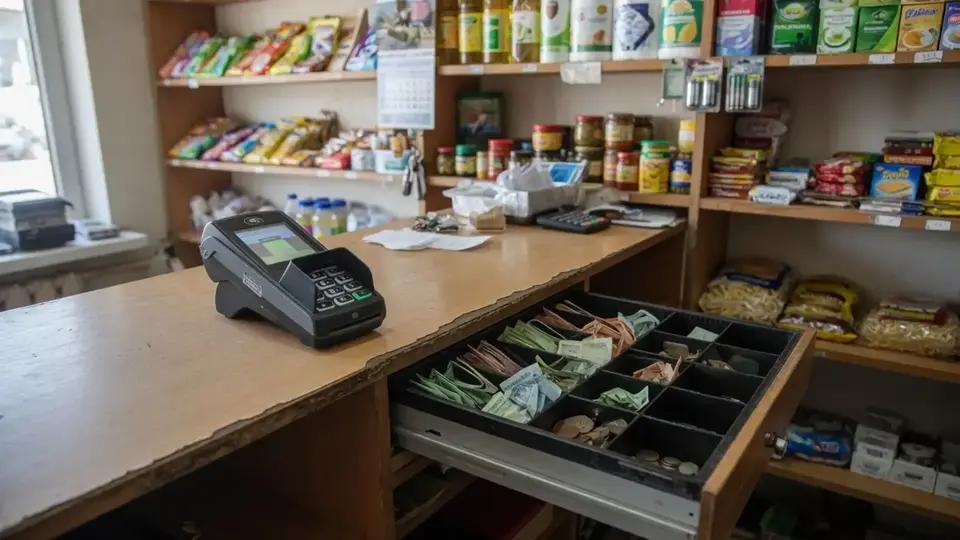
For many shops, the day is a sequence of small liquidity shocks: too much digital, not enough change, a supplier who only takes cash. Matching is one more tool—not a magic float machine.
Two-sided marketplaces work when both sides can find each other fast. In liquidity, that only stays honest if the platform does not quietly become a bank.
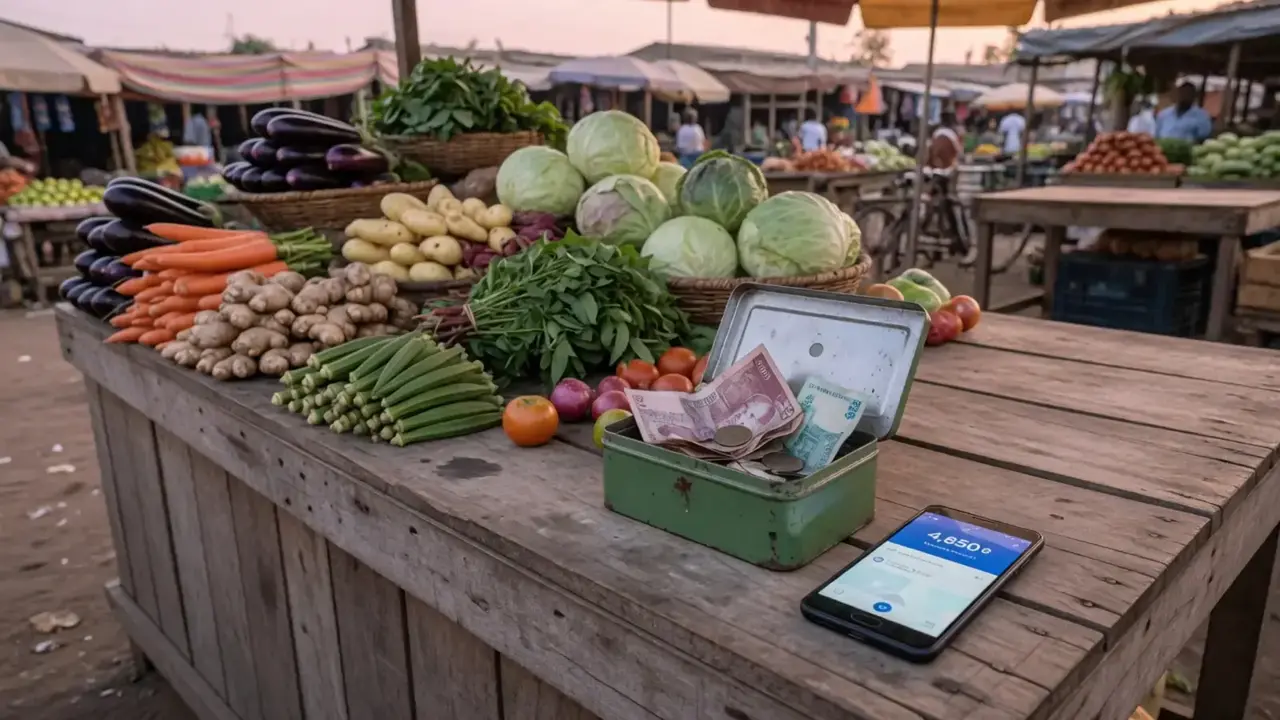
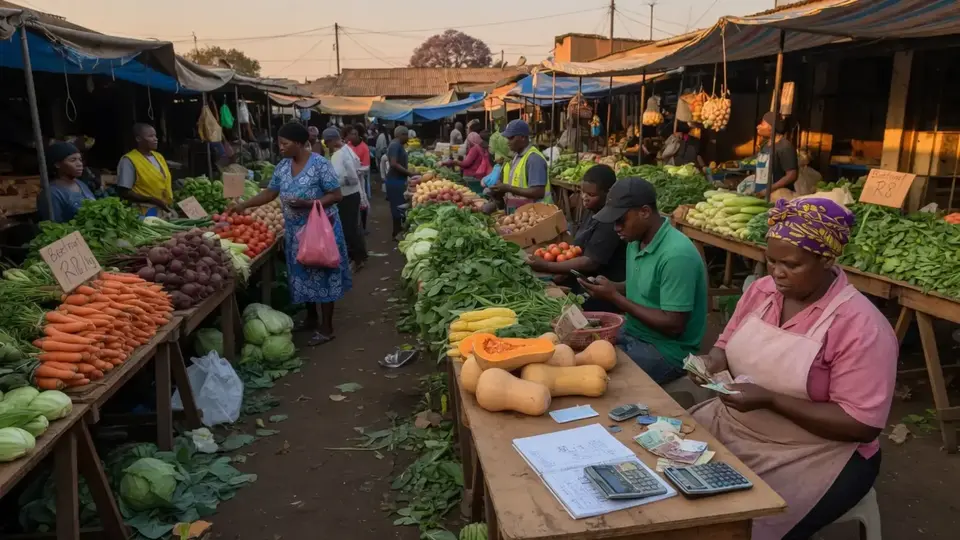
A stall can sell steadily and still fail the last obligation of the day if takings are digital and the next cost is cash—or the reverse. Informal markets live in that gap.
Need liquidity coordination, not another wallet balance?
CaQeh helps people find and connect around cash and digital payment needs using licensed mobile money, banks, and cards.
CaQeh does not hold customer funds.