
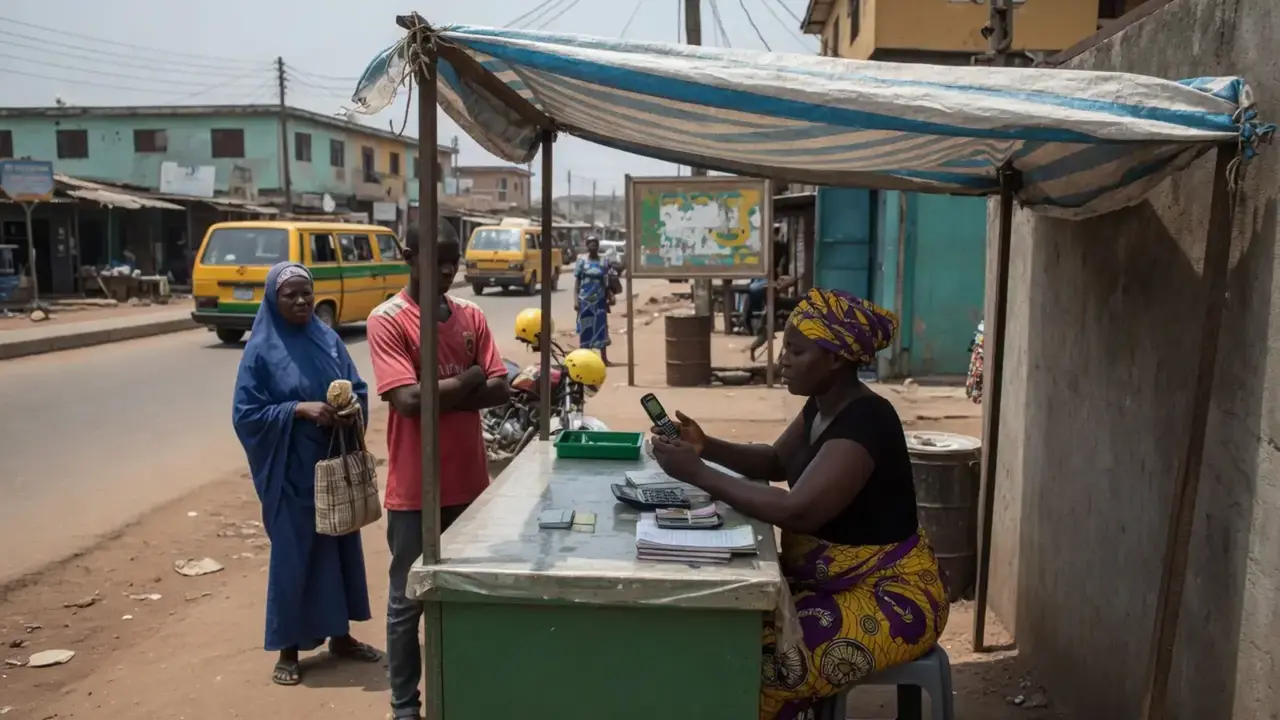
“We have mobile money coverage” is the kind of sentence that ends a presentation and starts an argument. Coverage answers whether a signal and a service exist. Accessibility answers whether a person can complete a specific payment, today, at a cost and effort they can bear—and recover when something fails midway.
Those are different questions. Treating them as the same produces policies and products that look inclusive on slides and exclusive on Friday evenings when agents close early, float runs out, or a prompt never arrives.
Five layers people actually experience
1. Device and interface
Not every user runs the newest app. Feature phones, shared devices, limited storage, and low literacy change which flows work. USSD remains central in many markets because it does not demand a full smartphone. Accessibility work that only optimises sleek apps will miss users who still move the bulk of small-value transfers through older interfaces.
2. Identity and onboarding
KYC and SIM registration rules protect systems and create real hurdles. A person may live under coverage yet lack documents, a registered SIM in their own name, or a stable ID match. Educational writing cannot invent shortcuts around regulated identity checks. Platforms should be honest that licensed providers—not marketplaces—set those rules.
3. Agent economics and float
Agents are the human edge of many mobile-money networks. They need e-float to cash people in and physical cash to cash people out. When either is scarce, accessibility collapses even if the network status page is green. Users experience this as “the agent said try tomorrow,” not as a temporary float imbalance in a dashboard.
4. Fees and price transparency
A transfer that is technically available can still be inaccessible if fees are unclear, tiered in ways users cannot forecast, or stacked with agent commissions. Accessibility includes being able to decide whether a payment is worth completing before funds move on a licensed rail.
5. Failure recovery
Failed prompts, delayed SMS, wrong numbers, and disputed receipts are part of normal operations. Systems that dump users into a generic support queue after a timeout do not deliver access; they deliver anxiety. Recovery paths—status checks, clear error text, escalation to the provider’s own channels—are accessibility features.
Where a liquidity marketplace fits (and does not)
When someone needs cash and their usual agent is dry, or needs a digital payment completed through a method another person already holds, discovery becomes hard. A peer-to-peer liquidity marketplace can help participants find one another and coordinate using payment methods they already trust. The electronic leg—if any—still goes through licensed mobile-money providers, banks, or cards.
CaQeh is designed as that kind of technology marketplace: matching people seeking liquidity with people able to provide it. It does not take custody of customer funds and does not operate as a bank or mobile-money issuer. That distinction is not marketing polish; it is the product boundary. For how matching relates to licensed rails, see About CaQeh and the FAQ.
Practical takeaways
- Measure access with completion rates and recovery paths, not only coverage polygons.
- Design for agents and USSD if that is how your users actually pay.
- Separate identity and licensing work (regulated providers) from discovery and matching (software marketplaces).
- Never confuse “wallet exists” with “user can finish this payment now.”
Conclusion
Mobile money accessibility is operational: float, fees, devices, identity, and recovery. Coverage is necessary and nowhere near sufficient. If you are mapping how people find liquidity when their usual channel stalls, start from real failure modes—and keep custody and settlement on licensed rails where they belong. Explore CaQeh’s model for peer-to-peer liquidity matching when you need coordination tools, not another balance sheet.