
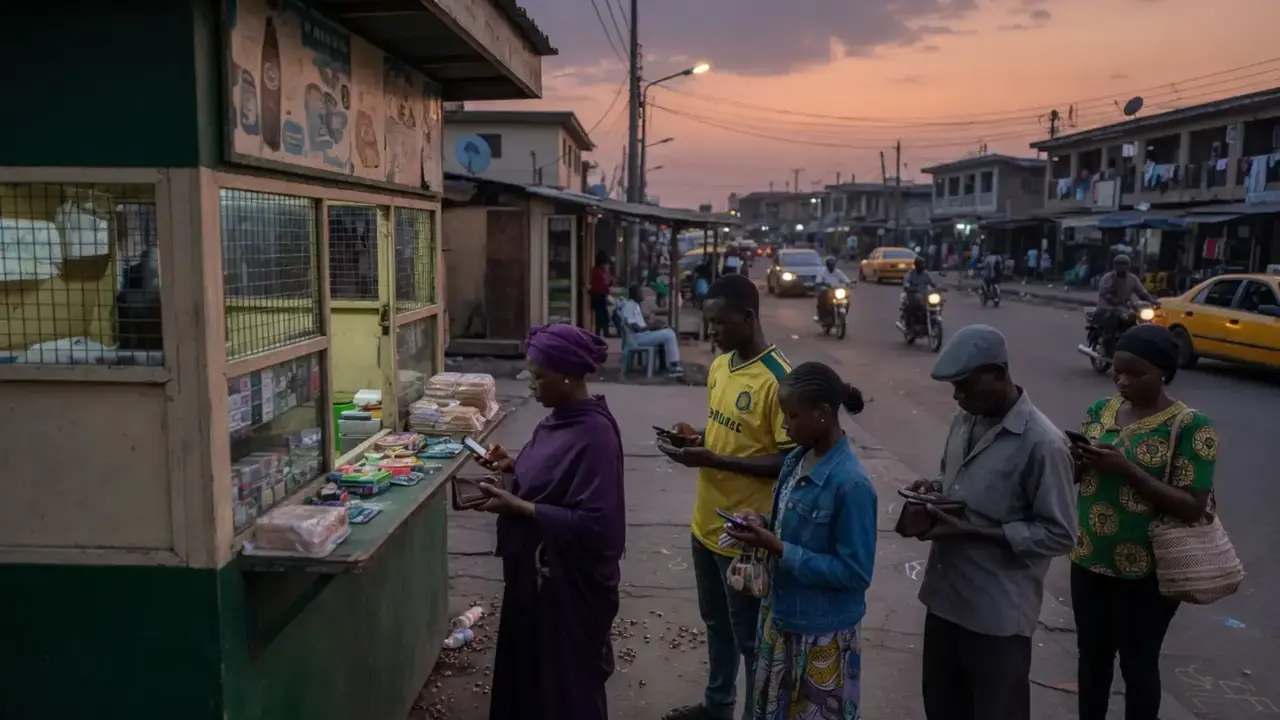
By late afternoon, the same three complaints rotate through chat groups: the ATM is empty, the agent has no cash, the shop will not break a large note. None of those messages say “the national payment system is offline.” They say liquidity is missing here, now, in a form the other party will accept.
Liquidity matching is the practice of connecting someone who needs a specific form of value with someone who can provide it under agreed conditions. In peer-to-peer marketplaces, that usually means discovery, preference filters (location, method, timing), and clear handoff expectations—while the actual payment, if electronic, still clears through a licensed provider.
What “matching” is not
Matching is not printing cash. It is not a guarantee that a stranger will honour a deal. It is not a bank account, escrow wallet, or custodial balance operated by the marketplace—unless a product is expressly licensed and designed that way. For CaQeh, matching means technology that helps people find and coordinate; it does not mean CaQeh holds deposits or settles as a money custodian.
Readers should also avoid confusing marketplace matching with remittance products that take funds in one country and pay out in another under their own licences. Cross-border remittance is a regulated activity. A liquidity marketplace that only connects local participants using existing rails is a different animal. If a company blurs those lines in marketing, ask for the licence list.
Inputs that make matches usable
- Location and travel cost. A match 8 km away may be worse than waiting for an ATM that reopens in an hour.
- Method fit. Cash-for-cash, wallet-to-wallet, card-assisted settlement—participants need compatible methods on licensed rails.
- Timing windows. Shortages cluster; availability does too. Stale listings create no-shows.
- Amount and denomination. Change and large notes change the economics of a meet-up.
- Trust signals without false guarantees. Reputation and history can inform choices; they should never be sold as insurance the platform cannot provide.
A realistic day-of-shortage scenario
Imagine a small pharmacy that took mostly mobile money since morning. A supplier arrives and requires cash. The nearest agents are low on notes. The pharmacist does not need a lecture on digital transformation; they need a way to find someone nearby who can complete a conversion through channels both parties already use—bank transfer, mobile money, or cash handoff coordinated carefully—while understanding that settlement terms belong to the licensed providers involved, not to a marketplace slogan.
Software can shorten the search. It cannot invent float in an agent’s till. Honest products say both sentences.
Risk, safety, and consumer caution
Any person-to-person meet-up carries operational and personal safety risk. Platforms should encourage prudent behaviour, clear in-app communication, and use of known public locations where appropriate—without pretending to replace law enforcement or provider dispute processes. Disputes about a payment authorization or reversal still sit with the bank or mobile-money provider that processed the transaction, subject to their rules and applicable law. This article is educational, not legal advice; local consumer-protection rules vary by jurisdiction.
Practical takeaways
- Model shortages as local and time-bound, not only as national crises.
- Design matching around method, location, and timing—not vanity metrics.
- Keep custody language precise: if the platform does not hold funds, say so consistently.
- Point payment disputes to licensed rails; point marketplace access issues to the platform.
Conclusion
When cash runs short, the bottleneck is often coordination, not ideology. Liquidity matching helps people find each other. Licensed rails still move money. If that split describes the problem you are trying to solve, review how CaQeh describes its marketplace role, skim the FAQ on matching and non-custody, and decide whether a peer-to-peer approach fits your operations.